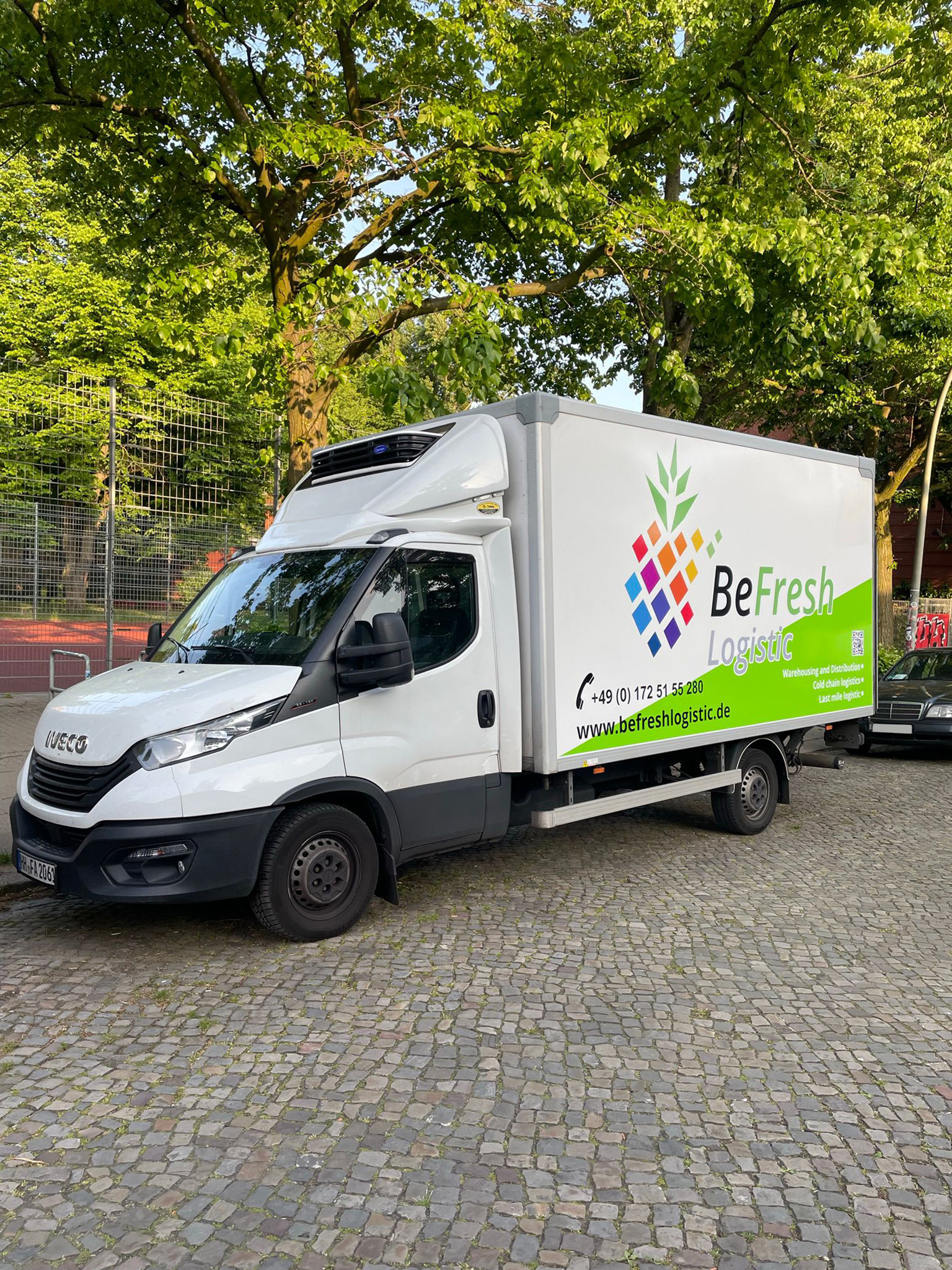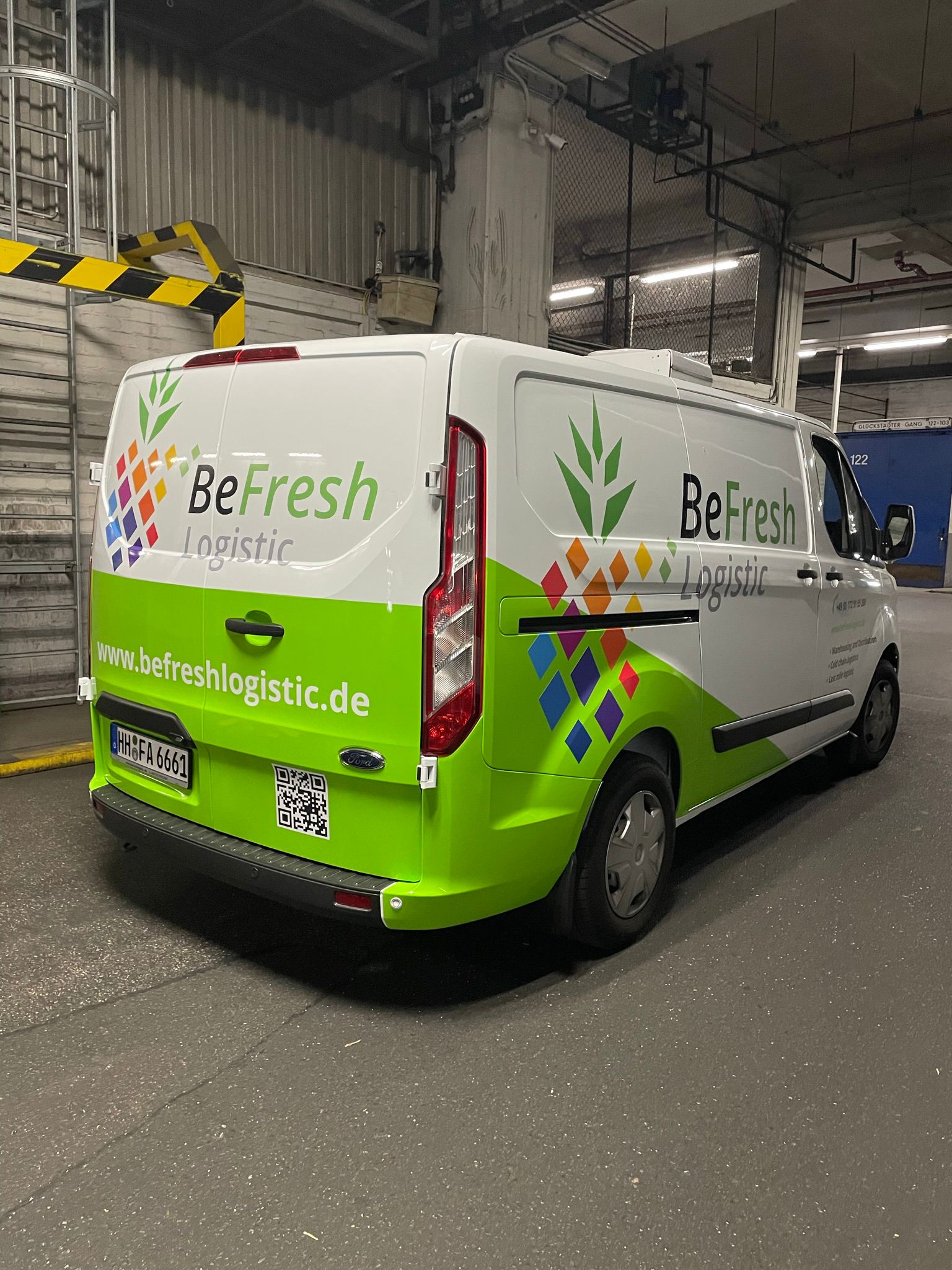











Be Fresh Logistic GmbH & Co, headquartered in Hamburg, is a provider of food distribution services in Germany. Maintaining the food’s quality and freshness during transport is crucial for this company since temperature excursions outside the recommended range might lead to spoiling and costly losses in both product and brand value. The scenario demanded a reliable technological solution that could seamlessly integrate with their operations and provide much-needed visibility and control over their logistic processes. With the introduction of Linqo’s advanced GPS tracking solutions, a horizon of possibilities emerged. Could this be the gateway to a new level of logistic management?
Challenge: the logistical puzzle
Be Fresh Logistic GmbH & Co demonstrates reliability, speed, and a comprehensive coverage model in Germany’s logistics sector. Boasting an annual mileage exceeding 500,000 kilometers, driven by a team of 35+ proficient personnel, and achieving a remarkable delivery rate of 100%, Be Fresh Logistic reflects efficiency in catering to both B2B and B2C sectors. Their advanced logistics infrastructure of dedicated transporters and modernized storage & picking facilities underlines their commitment to quality and safety in delivering goods.
However, with a vast fleet, Be Fresh Logistic GmbH & Co found themselves in an operational labyrinth as they navigated the food transportation landscape across Germany. The absence of real-time data was like going through this logistical challenge blindfolded.
Amidst operational burdens, the significant challenges were:
- Lack of real-time fleet visibility. The inability to track the vehicles in real time resulted in delayed deliveries, route inefficiencies, and operational cost overruns.
- Inadequate temperature monitoring. Without real-time temperature control, the risk of food spoilage and non-compliance with safety regulations was endangered.
- Insufficient customer transparency. Customers’ demands for live insights into the status and condition of their goods were unmet, affecting customer satisfaction.
- Operational inefficiencies. Lack of data on fuel consumption, driver behavior, and vehicle utilization led to an inability to optimize operations and reduce costs.
- Insubstantial support from the previous system. The former system’s inadequate support made troubleshooting and scaling up to meet operational demands a fearsome task.